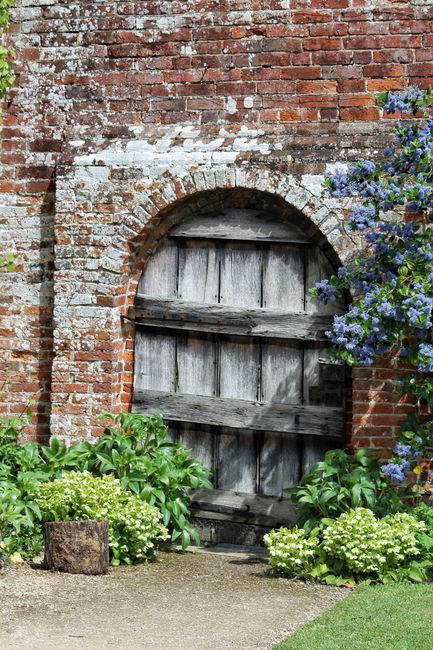
Headstone Manor gardeners for heritage garden care
Heritage gardens ask for a different kind of attention. They are not just outdoor spaces to tidy up on a Saturday morning; they are living places with older planting schemes, mature trees, worn paths, and details that quietly tell a story. If you are looking for Headstone Manor gardeners for heritage garden care, you are probably after more than a basic tidy. You want careful maintenance, a steady hand, and someone who understands that restraint can matter just as much as action.
That is the real challenge, isn't it? A heritage garden can look simple from the gate, yet one rushed cut, one over-enthusiastic clearance, or one wrong mowing pattern can change the feel of the whole place. In this guide, we'll look at what heritage garden care involves, how professional gardeners approach it, where the risks sit, and what a sensible plan looks like for homes, estates, community spaces, and historic-style gardens in and around Headstone Manor.
If you are weighing up ongoing help rather than a one-off tidy, it may also help to review a provider's broader range of garden services, since heritage care often sits alongside routine upkeep, careful pruning, and seasonal maintenance.
Table of Contents
- Why Headstone Manor gardeners for heritage garden care matters
- How heritage garden care works
- Key benefits and practical advantages
- Who this is for and when it makes sense
- Step-by-step guidance
- Expert tips for better results
- Common mistakes to avoid
- Tools, resources and recommendations
- Law, compliance, standards, or best practice
- Options, methods, or comparison table
- Case study or real-world example
- Practical checklist
- Conclusion
- Frequently asked questions
Why Headstone Manor gardeners for heritage garden care Matters
Heritage garden care is about preservation first and presentation second, though the two usually go hand in hand. A heritage setting often includes mature shrubs, clipped borders, seasonal bulbs, old stone edging, trained climbers, legacy lawns, or planting that has been established over decades. None of that likes aggressive treatment. Truth be told, most damage in heritage gardens comes from well-meant work done too quickly.
In Headstone Manor, the local feel matters too. Gardens here may sit beside period homes, conservation-minded properties, or long-established communal grounds where the outdoor space has a character of its own. You are not trying to make everything look brand new. You are trying to keep the original spirit intact while preventing decline, scruffiness, and avoidable structural damage.
That's why experienced gardeners approach these spaces with a slower eye. They notice what should be left alone. They understand that a slightly uneven old hedge may be part of the landscape character. They know the difference between tidying a border and stripping it bare. And, maybe most importantly, they know when to pause and ask a question before cutting anything back.
For many clients, the value is not only visual. A garden that is maintained correctly is easier to visit, easier to enjoy, and less likely to suffer from sudden overgrowth or hidden hazards. If a path is being swallowed by ivy, if old shrubs are shading out a historic border, or if a tree is encroaching on a roofline, careful intervention now can prevent bigger problems later.
How Headstone Manor gardeners for heritage garden care Works
Good heritage garden care usually begins with observation. A sensible gardener will look at the whole space before they touch a tool. What is original? What is overgrown but worth keeping? Which plants are historically important, and which are simply taking over because no one has had the time to manage them properly? It sounds obvious, but many rushed jobs skip this part. That's where the trouble begins.
From there, the work is normally planned seasonally. In spring, the focus may be on recovery, gentle feeding, edging, and checking which shrubs need formative pruning. In summer, it might be about watering, deadheading, mowing patterns, and making sure the place still looks cared for without being overworked. Autumn often brings leaf management, border cleanup, and the careful removal of spent growth. Winter is the time for structural pruning, inspection, and quieter maintenance tasks.
Heritage care also tends to be selective. Instead of flattening everything with one repeat routine, the gardener may use different methods in different parts of the site. For example, a formal front lawn might need crisp mowing and edge definition, while a mature back border may need a lighter hand and a watchful eye. That mixed approach is what keeps the garden feeling authentic.
It can also involve coordination with other services. If a space includes a tired boundary line, overgrown access route, or unsafe branches, the work may link with careful hedge trimming, precision lawn mowing, or even tree lopping and removal where there is a clear safety issue. For neglected areas, a measured garden clearance can create a clean starting point, although heritage spaces should never be cleared in a blunt, all-at-once way unless there is a compelling reason.
In practice, it often works best as an ongoing schedule rather than one dramatic intervention. A heritage garden is a bit like an old house in that way. A little regular care beats a big rescue job every time.
Key Benefits and Practical Advantages
Heritage garden care gives you more than tidy borders and neat grass. It helps protect the identity of the space. When gardeners work with sensitivity, the garden keeps its mature character, seasonal rhythm, and visual balance. That matters to homeowners, property managers, and anyone who wants the outdoor area to feel settled rather than constantly reset.
Here are the main advantages in plain English:
- Preservation of character: Mature planting and older features stay intact instead of being overcut or replaced unnecessarily.
- Healthier plant growth: Correct pruning, mulching, and maintenance reduce stress on shrubs, trees, and borders.
- Better access and safety: Paths, steps, and boundary areas remain usable, which matters a lot if the space sees regular footfall.
- Less long-term repair work: Catching problems early is cheaper and simpler than fixing a garden that has been allowed to slide.
- Consistent presentation: The garden looks cared for all year, not just after a big tidy-up.
- More thoughtful use of labour: Professional gardeners spend time where it actually improves the site, not just where it is easiest to work.
There is also a quieter benefit that people sometimes forget. A well-kept heritage garden feels calm. You notice the shape of a yew hedge, the sweep of an old path, the smell of clipped grass on a damp morning, the way a climber frames a doorway. Those details can be the whole charm of the place.
For properties with a broader landscaping plan, heritage care can sit comfortably alongside landscape gardening or more general garden maintenance, as long as the approach remains sensitive and measured. Not everything needs to be redesigned. Sometimes the best result is simply a better version of what already exists.
Who This Is For and When It Makes Sense
Headstone Manor gardeners for heritage garden care are a good fit for a few different situations. The most obvious is a property with mature planting or historic design features. But the need can be broader than that. You might have inherited a garden that has become a bit tangled over the years. You might manage a period home where the front garden is part of the character of the building. Or you might simply value a traditional look and want someone who won't impose a modern, hard-edged style on it.
This kind of care makes sense if any of these sound familiar:
- The garden has established shrubs, old trees, or long-lived borders.
- You want the space maintained rather than redesigned.
- The garden has seasonal planting that needs timing and restraint.
- You are worried about damage from over-pruning or heavy clearance.
- The site includes paths, edging, walls, or features that should be protected.
- You need ongoing help, not just a one-off tidy.
It also makes sense when the garden is used for visitors, tenants, or residents. If people pass through the space regularly, the margin for error gets smaller. A missed edge or overgrown route can make the whole area look uncared for, even if the planting itself is lovely. And let's face it, first impressions are stubborn things.
If you are unsure whether you need heritage-focused care or standard maintenance, ask a simple question: does the garden have character that would be harmed by a generic tidy? If the answer is yes, then a more considered approach is probably the right call.
Step-by-Step Guidance
A careful heritage garden routine usually follows a clear sequence. You do not have to overcomplicate it, but you do need to be deliberate.
- Survey the garden properly. Walk the site and identify old planting, protected features, weak points, and overgrown sections. Take photos if needed. It helps to compare before and after later, and honestly, memory is not always generous.
- Decide what must be preserved. Some plants may be original to the design, while others may have cultural or visual value even if they are not rare. Mark these out before any cutting begins.
- Prioritise safety and access. Clear trip hazards, unstable debris, and blocked routes first. If there are larger structural concerns, bring in the right support rather than forcing a quick fix.
- Work from the edges inward. Tidy boundaries, paths, and the obvious problem areas before tackling beds and focal points. That way the garden starts to breathe without losing its shape.
- Use selective pruning. Remove dead, diseased, or crossing growth carefully. Avoid stripping all the old wood from a shrub just because it looks untidy. Some species need patience.
- Re-establish structure. Once the excess growth is reduced, restore form with light shaping, edging, and sensible mowing. This is where the garden starts to look itself again.
- Finish with light aftercare. Water where needed, mulch beds if appropriate, rake up debris, and check for missed areas. Small finishing touches make a huge difference.
- Set the next visit. Heritage gardens do best with rhythm. Decide what needs monthly, seasonal, or annual attention so the work does not drift.
A useful mental model is this: protect first, improve second, embellish third. If a task risks disturbing the garden's identity, slow down. You can always do a little more later. You cannot always undo a bad cut.
Expert Tips for Better Results
To get the best from heritage garden care, a few habits really help.
- Prune with purpose, not habit. Don't cut something just because it looks awkward from one angle. Ask what the plant is doing and whether the shape actually matters to the whole space.
- Keep seasonal timing in mind. Some plants respond best when pruned at particular times of year. If you prune at the wrong moment, you may lose flowers, weaken growth, or create avoidable stress.
- Use hand tools where finesse matters. A lot of heritage work benefits from slower, more controlled tools rather than aggressive mechanical trimming.
- Protect surfaces. Old paving, stone borders, and timber features can be damaged by rough handling or heavy equipment. Move carefully. Really carefully.
- Work in small sections. That keeps the overall balance visible. If you clear one area too completely before looking at the rest, it is easy to overdo it.
- Respect the "aged" look where appropriate. Not every plant needs to be forced into perfect symmetry. In a heritage setting, a little softness often suits the space better than a rigid outline.
A tiny but useful tip: stand back every ten or fifteen minutes. Heritage gardens are best judged from a distance as much as up close. You will notice whether the light opens up, whether a hedge line has become too hard, or whether one bed now looks oddly exposed. Small pauses save big mistakes. They really do.
If you are combining heritage work with broader upkeep, routine support from garden maintenance can help keep the garden stable between more careful seasonal visits. It is a simple idea, but it stops the space from swinging between neglected and overworked.
Common Mistakes to Avoid
Most problems in heritage garden care come from trying to make everything look tidy too quickly. The intention is usually good. The outcome? Not always.
- Over-pruning mature shrubs: This is the classic error. A hard cut can remove flower buds, expose bare stems, or leave the plant looking harsh for months.
- Removing too much at once: A heritage garden can lose its balance if large sections are stripped back in one go.
- Ignoring old features: Edging, stonework, trained plants, and long-established trees need protection, not just cleaning.
- Using a one-size-fits-all routine: Every part of the garden may need something different. Front, back, shaded, sunny, formal, informal - they all behave differently.
- Letting debris build up: Leaf litter and dead material can hide issues and make the space feel abandoned, even when the planting is fine.
- Choosing speed over judgement: Fast work is not always better work. In heritage settings, speed can be expensive.
One of the sneakiest mistakes is assuming that older growth is always messy growth. Often it is simply established growth. There is a difference, and experienced gardeners know it. If in doubt, start lightly and reassess. There is no prize for finishing first.
Tools, Resources and Recommendations
Heritage garden care benefits from the right tools, but also from restraint in how they are used. A well-equipped gardener may use hand shears, secateurs, loppers, edging tools, rakes, light pruning saws, and suitable mowing equipment. For larger sites, specialist machinery may help with safe and efficient maintenance, but only where it will not damage the setting.
Practical recommendations for heritage-style spaces include:
- Hand pruning tools for shaping and selective cuts.
- Soft ties and supports for trained climbers or young stems that need guidance.
- Mulch and compost where soil improvement is needed and where it suits the planting scheme.
- Lightweight wheelbarrows and collection containers to reduce disturbance on older paths and borders.
- Seasonal planning notes so tasks are timed properly year to year.
There is also value in using related services thoughtfully. For example, if the garden has an established lawn that forms part of the heritage look, consistent lawn mowing can keep the frame of the garden sharp without making it feel formal in the wrong way. If boundary growth is blurring the design lines, a careful trim from hedge trimming may be enough to restore definition.
And if the project includes tired hard landscaping, it may be worth considering whether repairs or additions should be conservative in style. New features can work, but they should feel as though they belong. A garden rarely benefits from flashy interruptions. A bit like a quiet room, really.
Law, Compliance, Standards, or Best Practice
Heritage garden care often touches on practical standards rather than heavy regulation, but there are still important points to handle properly. If trees are significant, protected, or located in sensitive settings, work should be approached carefully and with the right checks before cutting. If the property sits in or near a conservation-minded area, changes to visible garden features may need a more cautious process than a standard domestic garden.
Good practice in the UK usually means:
- checking before removing mature trees or major limbs;
- avoiding unnecessary disturbance to established planting;
- using safe working methods around walls, paths, slopes, and water features;
- keeping garden waste managed responsibly;
- ensuring anyone working on site understands the property layout and risks.
For clients, it is sensible to ask how a gardener handles safety, insurance, and access arrangements. That is not being difficult. It is good sense. A proper professional should be comfortable explaining how they work, what precautions they take, and how they protect both the site and the people using it.
If a provider publishes policies on health and safety or insurance and safety, that can be a reassuring sign that the business takes its responsibilities seriously. You should also expect fair and transparent information on pricing and quotes, especially for work that may vary depending on the size and condition of the garden.
Best practice also includes sustainability. Heritage care should not create waste for the sake of convenience. Reusing suitable organic material, reducing avoidable disposal, and making thoughtful choices about replacement planting all help. A garden that has lasted this long deserves that level of care.
Options, Methods, or Comparison Table
Not every garden needs the same level of intervention. Here is a simple comparison of common approaches.
| Approach | Best for | Strengths | Watch-outs |
|---|---|---|---|
| Light-touch heritage maintenance | Well-kept older gardens that need routine care | Preserves character, avoids disruption, keeps the site settled | May not be enough if the garden has been neglected for years |
| Seasonal restorative care | Gardens with some overgrowth or tired areas | Improves structure while protecting key features | Needs judgement and a clear plan |
| Targeted clearance plus recovery | Neglected heritage-style spaces needing a reset | Creates access, reveals hidden structure, gives a clean starting point | Can go too far if the heritage character is not respected |
| Mixed garden maintenance and landscaping support | Sites needing upkeep plus some careful improvements | Balances presentation, usability, and longer-term planning | Design changes should remain sympathetic to the existing garden |
If you are choosing between options, the question is not "Which looks quickest?" It is "Which keeps the garden healthy and believable over time?" That distinction matters more than people think.
Case Study or Real-World Example
Here is a realistic example. A homeowner in Headstone Manor has a mature front garden with clipped shrubs, an old lawn, and a narrow path bordered by planting that has slowly grown across the edges. Nothing is broken, but the space has started to look crowded. The central shrub mass is healthy, yet it feels heavier each year. There is a temptation to clear the whole thing back and start again.
A better approach is more measured. First, the path is cleared so the entrance feels usable again. Then the hedge line is lightly refined to restore shape without flattening it. The lawn is brought back into a regular mowing pattern. Dead stems are removed from the beds, but the older shrubs are mostly retained because they still give the garden its structure. The result is not a redesign. It is a recovery.
A few weeks later, the space feels different. The air moves through it again. The entrance reads clearly from the street. The planting looks intentional rather than random. And, just as importantly, the garden still feels like itself. That is the point of heritage care. Not perfection. Continuity.
This sort of project often works best when it is supported by ongoing upkeep rather than left to chance. A follow-up routine may include periodic trimming, lawn care, and seasonal attention to the border structure. If the area has become heavily congested, a careful garden clearance may be the starting point, but it should be followed by a gentler maintenance plan so the space does not slide back.
Practical Checklist
Use this checklist if you want to brief a gardener or review your own plan.
- Have the heritage features of the garden been identified?
- Are there shrubs, trees, or borders that should be preserved rather than heavily altered?
- Has access been checked for paths, steps, gates, and tight areas?
- Is the work seasonal, selective, and suitable for the planting type?
- Will the gardener avoid over-pruning and unnecessary clearance?
- Are waste and debris being handled responsibly?
- Is there a plan for ongoing maintenance after the first visit?
- Has safety, insurance, and site awareness been discussed?
- Are quotes clear enough to compare properly?
- Does the proposed work protect the garden's character as well as its appearance?
Practical summary: if the garden has age, structure, and character, the right gardener will work with those qualities rather than trying to bulldoze them into something uniform. The best result is usually the one that feels quietly right, not the one that screams for attention.
Get a free quote today and see how much you can save.
Conclusion
Heritage garden care is one of those jobs where experience really shows. Anyone can cut back growth or mow a lawn, but it takes judgement to protect a garden's history while keeping it neat, usable, and healthy. For Headstone Manor homeowners and property managers, that balance is often the whole challenge.
If your garden has mature planting, older features, or a feel that should not be lost to rough treatment, it is worth choosing a gardener who understands restraint, timing, and the value of continuity. A careful approach keeps the space alive in every sense. Not overly polished. Not overworked. Just properly looked after.
And that, in the end, is what heritage garden care should do: help a place stay itself for a little longer.
Frequently Asked Questions
What does heritage garden care actually mean?
Heritage garden care means maintaining a garden with older, established, or historically styled features in a way that protects its character. It usually involves selective pruning, careful lawn care, sensitive border work, and avoiding heavy-handed changes.
How is heritage garden care different from regular garden maintenance?
Regular maintenance often focuses on keeping a garden neat and manageable. Heritage care goes a step further by considering design integrity, older planting, mature trees, and any features that should be preserved rather than replaced or reshaped too aggressively.
Do heritage gardens need more frequent visits?
Not always more frequent, but they often need more thoughtful visits. Some spaces do best with seasonal attention, while others benefit from lighter but regular maintenance so the garden never reaches the point where drastic work is needed.
Can a heritage garden be cleared if it has become overgrown?
Yes, but carefully. A gradual, selective approach is usually better than a full reset. In many cases, clearing should be followed by a recovery plan so the garden keeps its structure and does not lose its identity.
Will a gardener know which plants should not be cut back hard?
A good gardener should. That said, it is worth asking how they approach mature shrubs, trained climbers, and established trees. In heritage settings, judgement matters more than speed, and some plants really do need a lighter touch.
What should I ask before booking Headstone Manor gardeners for heritage garden care?
Ask how they assess the garden, how they handle mature planting, whether they work seasonally, and how they approach safety and waste removal. You can also ask for a quote that separates routine maintenance from any restorative work.
Is lawn care part of heritage garden maintenance?
Very often, yes. In many traditional gardens the lawn is part of the overall structure, so consistent mowing, clean edging, and sensible aftercare can make a big difference to the way the whole space reads.
What happens if there are trees or large shrubs near buildings?
They should be assessed carefully before work begins. Overhanging or crowded growth can sometimes need intervention, but it should be done with care and, where necessary, by someone with the right equipment and experience.
How do I know if I need garden clearance or ongoing maintenance?
If the garden is heavily congested and difficult to move through, clearance may be the first step. If it is basically healthy but untidy or inconsistent, ongoing maintenance is often enough. Some gardens need both, in sequence.
Are heritage garden jobs usually expensive?
Costs vary by size, condition, access, and the amount of skilled labour required. Because heritage work is often more detailed than standard maintenance, it can take longer. A clear quote is the best way to compare properly.
Can heritage care include landscaping work?
Yes, if the changes are sympathetic. Minor repairs, path improvements, boundary adjustments, or discreet planting changes can sometimes support the garden without compromising its character. Heavy redesign is usually a different conversation.
How do I keep a heritage garden looking good between visits?
Stick to simple routines: light deadheading where appropriate, keeping access points clear, watching for signs of disease or overgrowth, and avoiding the temptation to over-tidy everything at once. A calm, steady rhythm works best.
Where can I learn more about the company behind these services?
If you want to understand the wider approach, take a look at the company's about us page. If you are ready to discuss your garden, use the contact page to start the conversation.
What if I care about waste and sustainability as well?
That is a fair question. Heritage care and sustainability often go together, because both reward thoughtful work rather than wasteful haste. If that matters to you, it is worth reading the company's approach to recycling and sustainability.