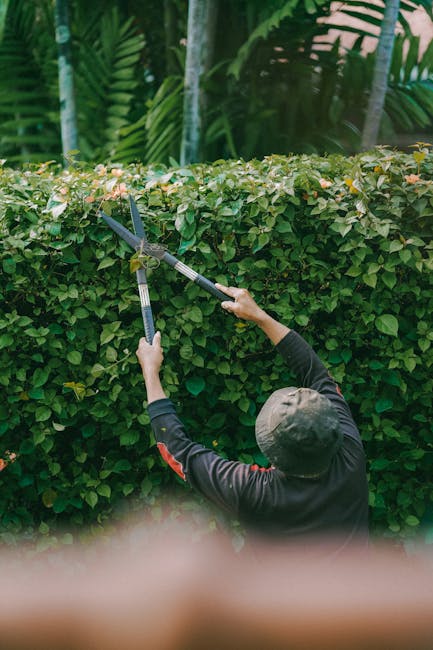
Trusted gardeners serving Pinner and Eastcote HA5
If your garden has started to feel like "one of those jobs" you keep putting off, you are not alone. A neat lawn, trimmed hedges, and a border that actually looks intentional can make a huge difference to how a home feels day to day. Trusted gardeners serving Pinner and Eastcote HA5 help bring order back without the hassle, whether you need regular upkeep, a one-off tidy, or a bigger reset after months of growth. In a place like HA5, where front gardens, narrow side access, and seasonal weather all have their own quirks, local know-how matters more than people sometimes realise.
This guide breaks down what good gardening support looks like, how the work usually runs, what to check before booking, and where services such as garden services in Harrow, garden maintenance, and lawn mowing fit into a sensible plan for your outdoor space.
Expert summary: The best gardeners are not just the ones who cut, trim, and clear. They are the ones who listen, turn up when they say they will, work safely, and leave your garden easier to live with, not just briefly prettier.
Table of Contents
- Why Trusted gardeners serving Pinner and Eastcote HA5 Matters
- How Trusted gardeners serving Pinner and Eastcote HA5 Works
- Key Benefits and Practical Advantages
- Who This Is For and When It Makes Sense
- Step-by-Step Guidance
- Expert Tips for Better Results
- Common Mistakes to Avoid
- Tools, Resources and Recommendations
- Law, Compliance, Standards, or Best Practice
- Options, Methods, or Comparison Table
- Case Study or Real-World Example
- Practical Checklist
- Conclusion
- Frequently Asked Questions
Why Trusted gardeners serving Pinner and Eastcote HA5 Matters
Gardens in Pinner and Eastcote tend to be lived-in spaces. That is the good part. The less glamorous part is that lawns get patchy, hedges grow unevenly, leaves drift into borders, and a wet week can make everything feel behind schedule. A trusted gardener is valuable because they do more than "make it look nice"; they help keep the garden manageable across the year.
Trust matters for a few practical reasons. First, someone working on your property should understand boundaries, access, and how to treat a space with care. Second, consistent work prevents small issues from turning into bigger ones. A hedge left too long can become awkward to shape. A lawn left unmanaged can thin out. A garden clearance job delayed for months can become far more time-consuming than it should have been.
There is also the simple matter of peace of mind. You want to know the person doing the work understands what they are doing, uses sensible safety practices, and does not treat your garden like a one-off rush job. To be fair, most homeowners can tell the difference within five minutes of a proper visit. The lawn edges are tidy, the waste is handled properly, and the whole space feels calmer. That is the standard worth aiming for.
If your space has grown beyond a quick weekend tidy, services such as garden clearance and hedge trimming can make a big difference before a maintenance routine is put in place.
How Trusted gardeners serving Pinner and Eastcote HA5 Works
Most good garden services follow a straightforward process. The best ones keep it clear from the start, so you know what is happening, when, and why. No drama. No mystery. Just a practical plan.
1. Initial conversation and scope
This is where you explain what the garden needs. It might be simple, like weekly mowing and edging, or more involved, like sorting overgrown borders, clearing brambles, and getting the whole place back under control. Good providers will ask questions about access, size, surfaces, waste removal, and any awkward areas that need special care.
2. Assessment of the work
A proper assessment helps avoid surprises. A small courtyard with pots and a few beds is very different from a larger lawn with mature hedging and sloped access. The point is not to make the job sound complicated; it is to make sure the right tools, timing, and labour are planned. That is where experience quietly pays off.
3. Pricing and job plan
A reliable quote should feel understandable. You should know whether the work is one-off or recurring, what is included, and whether waste collection, materials, or extra tasks might affect the final price. If you are comparing providers, have a look at the way pricing and quotes are explained. Clarity here usually reflects clarity elsewhere too.
4. The work itself
Once the plan is agreed, the garden is worked through in a sensible order: removing waste, cutting back growth, mowing, edging, trimming, pruning where appropriate, and finishing with a tidy clean-up. In a well-run visit, the site should look noticeably better before the team even packs away. You can usually tell by the end of the first hour whether the job is being handled properly.
5. Aftercare and ongoing maintenance
Some gardens only need a one-off reset. Others benefit from a repeat maintenance schedule, especially if hedges grow quickly or the lawn needs regular attention. A steady routine often beats occasional catch-up jobs, because the garden stays easier to manage and less expensive to bring back into shape.
Key Benefits and Practical Advantages
Hiring trusted gardeners in HA5 is not just about appearances, although that is usually the first thing people notice. There are practical benefits too, and they stack up quickly.
- More usable outdoor space: A maintained garden feels bigger, calmer, and easier to enjoy.
- Less stress: You do not have to spend weekends chasing hedges or wrestling with a tired mower.
- Better plant health: Regular attention helps shrubs, lawns, and borders stay healthier over time.
- Reduced safety risks: Overgrown paths, low branches, and hidden waste can all create avoidable problems.
- Improved kerb appeal: A tidy front garden gives a strong first impression, which is especially useful if you are hosting, selling, or simply taking pride in the property.
- Better long-term control: Maintenance prevents the "big awful job" from appearing every few months. And honestly, nobody enjoys that surprise.
There is also a quieter benefit: a tidy garden tends to change how people use the home. You open the back door and it feels inviting. You notice birds again. The space becomes somewhere you step into, not just walk past.
If you want consistent upkeep rather than emergency rescue work, regular garden maintenance is often the most practical option. For lawns in particular, a recurring visit can keep the whole garden looking intentional, even when the weather is doing its usual London thing.
Who This Is For and When It Makes Sense
This kind of service suits a lot of different people, and the reasons are usually very ordinary. That is the point. Good garden support is about making life easier, not creating another project.
You may need a trusted gardener if you are:
- working long hours and the garden keeps slipping down the list
- managing a home sale or rental and need the outside space presentable
- returning from holiday to find the garden has gone a bit wild
- dealing with overgrown hedges, awkward waste, or a lawn that has seen better days
- planning a redesign and need the groundwork cleared first
- simply tired of trying to do it all yourself every other Saturday
It also makes sense when a garden has a few specific pain points. For example, a hedge that shades the path too much, a border full of brambles, or an area where leaves and cuttings pile up every week. These are the jobs that sound small until you start doing them. Then, well, not so small.
Homeowners, landlords, letting agents, and busy families all tend to benefit from a stable local gardener. The common thread is simple: you want the garden handled properly, without having to micromanage the whole thing.
Step-by-Step Guidance
If you are deciding how to get your garden back in shape, the easiest route is to think in stages. Jumping straight to decorative work before the basics are sorted often leads to wasted effort. This is the practical order we would suggest.
- Walk the garden first. Look at what is actually bothering you. Is it height, clutter, uneven growth, weeds, poor lawn condition, or all of the above?
- Separate urgent work from cosmetic work. Safety and access come first. A low branch over a path matters more than a flower bed refresh.
- Decide what should be cleared, cut back, or kept. Not everything overgrown needs removing. Sometimes a careful prune is better than a hard cut.
- Choose the right service mix. For example, a neglected space may need garden clearance first, then lawn mowing, then hedge work, then maintenance.
- Ask about waste handling. Green waste can build up fast. You want to know how it is collected, removed, or recycled.
- Set a follow-up schedule. Even a simple fortnightly or monthly rhythm can stop the same problems returning.
If there are larger changes planned, such as new planting, pathways, or layout improvements, look at landscape gardening or broader landscaping work once the basics are under control. That way, the design sits on a sound foundation instead of being dropped into chaos.
Expert Tips for Better Results
Little details make a surprisingly big difference in gardens. They are easy to miss, especially if you are rushing.
- Start with the edges. A crisp lawn edge can make a whole garden look better, even before the rest is finished.
- Trim for shape, not just height. With hedges and shrubs, the aim is usually balance and healthy regrowth, not simply reducing everything to the same level.
- Do not cut too much at once. Hard pruning can be useful in some cases, but aggressive cutting without a plan often causes more problems than it solves.
- Think seasonally. A garden in early spring needs a different touch from one in late summer or after heavy leaf fall.
- Keep access clear. Side paths, bins, and water points should not be blocked by trimmings or tools. It sounds obvious, but it gets overlooked.
A small practical observation: most gardens look best when the work is done in layers. Clear the obvious mess. Tidy the lawn. Shape the growth. Then step back and refine. Rushing straight to the final pass usually leaves the job looking a bit off, and that is hard to unsee.
If you are arranging a more involved job, it is sensible to check a provider's insurance and safety approach and their health and safety policy. Not glamorous, I know, but very worth it.
Common Mistakes to Avoid
Garden projects go wrong in predictable ways. The good news is that most of them are easy to avoid once you know what to look out for.
- Booking only on price. A cheap quote can look tempting, but if it leaves out waste removal, cleanup, or proper time on site, it may not be good value.
- Skipping the assessment. Without a proper look at the space, quotes and expectations can drift apart.
- Cutting everything back too aggressively. Plants do not always bounce back just because they were trimmed. Some need a lighter touch.
- Ignoring drainage, shade, and soil issues. If the lawn is struggling for structural reasons, mowing alone will not fix it.
- Letting maintenance slip after the first tidy-up. This is a classic one. The garden looks great for two weeks, then life gets busy and it starts again.
- Not asking how waste is handled. You do not want piles of clippings sitting around after the team leaves.
A slightly awkward but real point: people sometimes ask for "just a quick tidy" when the garden really needs a deeper reset. Nothing wrong with that, but the outcome is better when expectations are honest from the start. No point pretending a jungle is a light prune job.
Tools, Resources and Recommendations
For a homeowner, the right tools are usually the ones that help you keep things ticking over between professional visits. You do not need a shed full of kit. You need a few dependable basics.
Useful tools for simple upkeep
- A decent lawn mower for routine grass cutting
- Sharp secateurs for light pruning and deadheading
- Sturdy gloves for thorns, nettles, and brash
- A rake or leaf scoop for seasonal tidy-ups
- A hose or watering can for dry spells
- Basic hand shears for light hedge shaping between visits
Services that pair well together
Some jobs naturally support each other. A maintained lawn looks better after hedge work. A cleared garden is easier to landscape. And a fresh deck area can really lift the feel of the space if it sits beside tidy planting.
You can explore related options such as hedge trimming services, tree lopping and removal where appropriate, and decking services if you want to improve how the garden functions as a whole.
What to ask before you book
- What exactly is included in the visit?
- Will clippings and waste be removed?
- Is the work one-off or designed for repeat maintenance?
- How do you handle access, parking, and site protection?
- What happens if the garden needs more time than expected?
Law, Compliance, Standards, or Best Practice
For domestic garden work, the key concern is usually not heavy regulation, but sensible compliance and responsible practice. That said, it still matters. A trustworthy gardener should work carefully around property boundaries, avoid unnecessary damage, and handle waste responsibly.
Where tools, machinery, ladders, or cutting equipment are involved, safe working habits matter a great deal. Good practice includes using equipment properly, keeping work areas clear, and not taking shortcuts around sharp tools or unstable ground. If tree work, large-height cutting, or difficult access is involved, caution becomes even more important. In those cases, a provider should explain the approach clearly rather than shrug and get on with it.
It is also reasonable to expect good treatment of waste and general site cleanliness. Green waste should not be dumped casually, and a tidy finish is part of the job, not a bonus. If sustainability matters to you, have a look at the provider's recycling and sustainability information so you understand how cuttings and garden debris are handled.
Finally, transparent customer terms are a sign of a mature business. The details should be easy to find, including terms and conditions, payment and security, and how issues are dealt with through a clear complaints procedure if something ever needs attention.
Options, Methods, or Comparison Table
Different gardens need different kinds of help. Sometimes the job is straightforward. Sometimes it is more of a reset. This table gives a simple way to think about the options.
| Option | Best for | Typical outcome | Things to watch |
|---|---|---|---|
| Regular garden maintenance | Homes that need ongoing care | Consistent tidiness, easier upkeep | Needs a routine, not just one visit |
| One-off clearance | Overgrown or neglected spaces | Fast visual improvement and access restored | May need follow-up maintenance |
| Lawn-focused care | Gardens where grass is the main feature | Cleaner lines, healthier-looking lawn | Does not solve hedge or border issues alone |
| Hedge and shrub trimming | Gardens with strong boundary planting | Better shape, light, and structure | Timing matters for plant health |
| Landscape work | Gardens needing layout changes or upgrades | Improved usability and appearance | Requires planning before installation |
The practical takeaway is simple: do not overbuy. If you only need routine mowing and trimming, do not turn it into a major project. On the other hand, if the space is seriously overgrown, a maintenance visit alone may be too light. Matching the method to the problem saves time, money, and frustration.
Case Study or Real-World Example
Here is a realistic example. A homeowner in HA5 had a front garden that had slowly drifted from "a bit untidy" to "we should really sort that out." The lawn had gone patchy, the hedge was leaning into the path, and the back border had become a tangle of stems and old growth. Nothing dramatic. Just neglected, the way these things often are.
The first visit focused on clearance and structure. The pathway was opened up, the hedge was reduced carefully, and the dead material was removed. After that, the lawn was cut and edged, and the borders were made sensible again rather than stripped bare. The difference was immediate. Not flashy, just calm and orderly. The sort of change you notice every time you come home.
A few weeks later, the owner moved onto a maintenance schedule. That mattered more than people expect. The garden did not just look better once. It stayed better. And that, really, is the point. A one-off tidy can feel satisfying, but a plan is what keeps the space from slipping back.
In situations like this, the real win is not only visual. It is the reduction in effort. Less nagging. Less guilt. Less wondering whether you should spend Saturday outside with shears and a cup of tea that goes cold before you even finish it.
Practical Checklist
Use this checklist before booking a gardener or planning your own work:
- Identify the main issue: lawn, hedge, clearance, borders, or general maintenance
- Decide whether you need one visit or ongoing care
- Note any awkward access, parked cars, pets, or fragile areas
- Confirm whether waste removal is included
- Ask how the job will be prioritised if the garden needs more than one type of work
- Check whether the provider is clear about safety and insurance
- Make sure the quote is easy to understand
- Ask what to expect after the first visit
- Agree a follow-up plan if the garden needs regular upkeep
- Keep a simple list of things you want left untouched
Quick takeaway: The best results usually come from a clear brief, a sensible scope, and a regular routine. That combination is boring in the best possible way.
If you are ready to get the space back under control, the easiest next step is to explore the right mix of services and ask for a quote that matches your garden's actual condition.
Get a free quote today and see how much you can save.
Conclusion
Trusted gardeners serving Pinner and Eastcote HA5 offer more than a quick tidy. They bring structure, consistency, and calm to outdoor spaces that can easily get away from us. Whether you need mowing, hedge work, clearance, or a fuller maintenance plan, the value is in having someone local who understands the practical reality of keeping a garden in good shape through the seasons.
If you choose carefully, ask sensible questions, and focus on long-term upkeep rather than one-off rescue work, your garden becomes easier to enjoy and much easier to manage. That is the real benefit. Not perfection. Just a space that feels looked after, lived in, and properly yours.
And honestly, when the light is soft in the evening and the garden finally looks tidy again, it's a very good feeling.
Frequently Asked Questions
What do trusted gardeners in Pinner and Eastcote HA5 usually help with?
They typically handle lawn mowing, hedge trimming, garden clearance, pruning, border tidying, and ongoing garden maintenance. Some also support larger landscaping or decking-related improvements.
How often should a garden be maintained?
It depends on the size of the garden, how quickly things grow, and how tidy you want it to stay. Many gardens benefit from regular visits rather than waiting until everything has overgrown.
Is one-off garden clearance better than regular maintenance?
It depends on the state of the garden. If it is badly overgrown, a clearance job makes sense first. After that, regular maintenance is usually the better long-term option.
How do I know if a quote is fair?
A fair quote should explain what is included, whether waste removal is covered, and whether the work is one-off or recurring. If the quote is vague, ask for more detail before agreeing.
Can a gardener help with an overgrown hedge or boundary planting?
Yes, hedge trimming and careful cutting back are common parts of garden work. If the growth is heavy or awkward, the job may need more time and a clearer plan.
What should I ask before booking a gardener?
Ask about scope, timing, waste removal, access, insurance, and whether the service is suitable for the current condition of your garden. Those answers usually tell you a lot.
Do gardeners remove green waste?
Often they do, but it is always best to confirm. Waste handling should be discussed early so you know whether cuttings, branches, and debris will be taken away.
When is landscaping a better choice than basic maintenance?
If the garden needs layout changes, new structure, or major improvements to how it is used, landscaping is the better choice. Maintenance keeps things tidy; landscaping changes the space itself.
Can gardening work improve kerb appeal quickly?
Yes. A tidy front garden, neat edging, and a well-cut hedge can change the whole feel of a property very quickly. It is one of the simplest ways to improve first impressions.
What if I only need help a few times a year?
That is still useful. Seasonal visits for clearance, hedge work, or a big tidy-up can keep a garden manageable, even if you do not need weekly care.
Should I choose garden maintenance or lawn mowing first?
If the grass is the main issue, start with lawn mowing. If the garden has mixed problems, a maintenance visit is usually more balanced because it can cover multiple tasks at once.
How can I make future visits more efficient?
Keep access clear, note priority areas, and decide what you want left alone. A clear brief saves time and helps the gardener focus on what matters most to you.