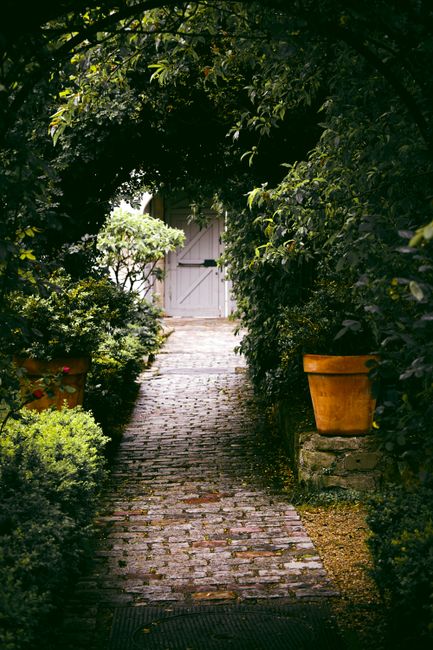
Small Access Garden Gardeners Harrow: What to Know Before You Start
If your garden is tucked behind a narrow side gate, down a tight passage, or through a terrace with awkward steps, you already know the problem: ordinary garden work can become a bit of a faff. That is exactly why Small access garden gardeners Harrow what to know matters. The right approach can turn a frustrating, hard-to-reach outdoor space into something tidy, usable, and far easier to maintain.
In Harrow, small access gardens are common in terraced streets, older properties, and homes where the rear garden was never designed for modern machinery. The good news? With the right planning, tools, and expectations, even a cramped space can be managed well. This guide explains what small access gardening involves, what to check before booking, how the work is usually carried out, and where homeowners often trip up.
Whether you are after regular upkeep, a one-off tidy-up, or a full redesign of a tricky plot, the details matter. A lot. Let's get into the practical stuff.
Why Small Access Garden Gardeners Harrow What to Know Matters
Small access gardens are not just "smaller gardens". They bring a different set of challenges. Access can affect everything from what equipment can be used to how long a job takes and how much waste can be removed. In other words, the garden itself might be modest, but the logistics can be anything but.
In Harrow, many properties have side passages, shared access ways, narrow gates, low brick walls, or uneven paths. That changes the job in ways people do not always expect. A lawn that looks like a 30-minute mow can take longer if machinery has to be carried in by hand. Clearing ivy from a fence can be simple enough, but removing the waste? Different story.
It also matters because bad access can lead to avoidable damage. Fence panels get scratched, paving gets chipped, plants get knocked, and someone ends up squeezing a mower through a gap that was never really meant for it. Not ideal. A good gardener will think about access before the first tool comes out.
For homeowners, the biggest benefit of understanding access issues is better planning. You can choose the right service, ask better questions, and avoid surprise costs. And honestly, a bit of clarity upfront usually saves a headache later.
How Small Access Garden Gardeners Harrow What to Know Works
At a practical level, small access gardening usually starts with a site check or a conversation about the layout. The gardener needs to know how the team will get in, where waste will go, whether machinery can fit, and whether there are any obstacles like steps, tight turns, or fragile surfaces.
In many cases, the work is broken down into hand-carried tasks rather than machine-led ones. That may mean smaller tools, compact equipment, or more manual labour. A lawn mower may still be possible, but not always a standard one. Hedge trimming, pruning, weeding, and border work are often straightforward enough. Larger jobs, such as clearance or landscaping, need a little more thought.
Here is the usual flow:
- Assess access and garden layout.
- Identify the main tasks and any risks.
- Decide which tools and equipment can realistically be used.
- Protect surfaces, plants, and narrow routes where needed.
- Carry out the work in stages if space is limited.
- Remove waste safely, or bag it in manageable loads.
That sounds simple, and sometimes it is. But small access spaces tend to expose the weak points in a plan very quickly. The hedge that looked easy from the patio may not be so easy once you are carrying cuttings through a tiny alley in drizzle. Welcome to British gardening, basically.
If you want to see how a broader maintenance plan fits together, the garden maintenance service overview is a useful place to understand what regular care can cover.
Key Benefits and Practical Advantages
The main benefit of using a gardener who understands small access gardens is efficiency. Not just speed for speed's sake, but sensible efficiency. The right person will avoid overcomplicating the job, and that matters when every tray, bag, and tool has to be moved through a tight entrance.
There is also a quality benefit. Smaller spaces are more exposed to detail. You notice uneven edges, mossy patches, stray ivy, and messy transitions between paving and beds. A careful gardener can make a compact garden feel much bigger simply by cleaning up the lines and improving how the space flows.
Other practical advantages include:
- Less disruption to your home, neighbours, and shared paths.
- Better plant protection when tools and waste are handled with care.
- More realistic planning for jobs that require manual carry-out.
- Improved safety in narrow or awkward working areas.
- More usable outdoor space after clutter, overgrowth, or poor layout is addressed.
For many Harrow homeowners, that last one is the real win. A small garden can feel cramped and slightly forgotten. Then one decent session later, it feels calm again. You can actually sit out there with a cup of tea and hear the birds instead of staring at a tangle of brambles.
Who This Is For and When It Makes Sense
Small access gardening is a smart option if your garden has limited entry, restricted side access, or awkward terrain. It is especially relevant if you live in a terraced house, a maisonette, an older property, or a home where the rear garden is only reachable through the house. That last one is common enough, and it changes everything.
This kind of service makes sense if you are dealing with:
- overgrown borders or weeds in a compact space
- a lawn that is hard to reach with standard equipment
- hedges and shrubs crowding a narrow passage
- old paving, tired beds, or patchy lawns in a small courtyard
- garden waste that is difficult to move without making a mess
- a one-off clearance before a move, renovation, or property refresh
It also suits people who simply do not want the physical hassle. Let's face it, carrying heavy bags through a hallway is not everyone's idea of a relaxing Saturday. If access is tight and the job looks fiddly, a specialist approach is often the sensible route.
If the work is more about shaping, structure, and improving the layout, it can also overlap with landscape gardening or broader landscaping depending on how much change you want.
Step-by-Step Guidance
If you are planning a small access garden job, the smartest thing you can do is prepare properly. A good job starts before the first cut, the first spade, or the first bag of waste.
1. Walk the route
Start by checking the exact route from the street or house to the garden. Note narrow doors, steps, corners, low branches, slippery paving, and anything that could slow the work down. A route that looks fine in daylight can feel very different once tools and bins are being moved back and forth.
2. Decide what really needs doing
Be clear about priorities. Is this a simple tidy-up, a seasonal cut-back, or a bigger clearance? In small gardens, it helps to separate the "must do" jobs from the "nice to have" ones. That keeps the work focused and the quote more realistic.
3. Share access details early
Tell the gardener about gate widths, locked access points, shared entryways, and any special restrictions. If there is a delicate floor surface or a communal path, say so. Those small details make a big difference.
4. Ask about tools and waste handling
Not every job needs large machinery. Sometimes smaller handheld tools are better, especially where access is tight. Ask how waste will be removed, because that is often the hidden part of the job. A pile of cuttings still has to leave the property somehow.
5. Confirm protection for surfaces and plants
Good gardeners think about where they walk, where they place bags, and how they avoid damage to lawns, paving, and planting. If the route is cramped, the team may need to work in sections and protect surfaces as they go.
6. Check the finish
Once the job is done, walk the garden slowly. Look at edges, borders, gates, and any places where debris might have been missed. Small access jobs can be neat as a pin when they are well handled. That final check matters.
Expert Tips for Better Results
After years of dealing with cramped corners, awkward gates, and gardens that seem to shrink the moment a wheelbarrow appears, a few patterns become obvious.
First: keep the path to the garden as open as possible. Move bikes, bins, toys, and loose planters before the team arrives. It sounds obvious, but people forget. All the time.
Second: think in layers. In a small garden, you do not always need to do everything at once. Tidy the access route first, then the main body of the garden, then the finer detail. It is a neat way to avoid chaos.
Third: do not overestimate what machine access can save you. A compact mower is useful, yes, but hand finishing is often what makes a small garden look properly done.
Fourth: ask for a maintenance rhythm if the garden is prone to fast regrowth. In compact plots, one missed month can make everything feel crowded again. Particularly in spring. You know how it goes.
Fifth: if your garden has sloping ground, old paving, or slippery access, raise that early. Safety and efficiency go together. They really do.
For ongoing upkeep, many homeowners combine access-focused work with lawn mowing, hedge trimming, and regular garden maintenance so the space does not drift back into chaos.
Common Mistakes to Avoid
Small access gardens have a few classic traps. The first is assuming all gardeners will approach them the same way. They will not. Some are well prepared for restricted access; others are better suited to open gardens with plenty of room for equipment.
The second mistake is under-explaining the layout. "It's just through the side passage" can mean very different things depending on whether the passage is a metre wide or barely shoulder width. Be specific. Measurements help, but even a rough description of where the tight spots are is useful.
The third mistake is asking for too much in one visit. In a small, difficult-to-access garden, ambitious plans can turn into cramped, rushed work. Better to stage the job properly than to force everything into a single session.
The fourth is forgetting waste removal. Cut branches, soil, turf, and dead growth all take up space. If your access is tight, waste can become the biggest logistical issue in the whole job.
The fifth is ignoring safety around tools, children, pets, and neighbours. When access is shared or narrow, people tend to pass through the working area. That is where a bit of planning saves a lot of awkwardness.
And here is a quiet one people miss: overfilling the garden with storage, pots, and furniture before trying to improve it. Sometimes the best first step is simply clearing a little breathing room.
Tools, Resources and Recommendations
For small access gardens, the most useful tools are often the simplest. That does not mean low quality; it means appropriate. Compact hedge trimmers, hand shears, lightweight rakes, folding saws, and manageable waste sacks can be more effective than oversized gear that never really fits.
Depending on the job, a gardener may also bring:
- compact or cordless cutting tools
- pruning equipment for precise shaping
- tarps or sheets to protect routes and catch debris
- hand tools for beds and edging
- containers or sacks for controlled waste movement
- protective items to reduce damage to surfaces
From a homeowner's point of view, the most useful resource is a proper service overview. It helps you understand how different tasks fit together, and it stops you assuming that clearance, mowing, trimming, and redesign all work the same way. They do not. Not remotely.
If you are comparing larger scope work, the services overview page is a good starting point, while garden clearance is worth looking at if the space needs a full reset rather than light maintenance.
Law, Compliance, Standards, or Best Practice
For most small garden jobs, the main "compliance" issue is less about formal paperwork and more about sensible working practice. That said, there are still important standards to respect. A professional gardener should work safely, take reasonable care of property, and avoid creating risks for occupants, visitors, and neighbours.
In the UK, good practice usually includes:
- safe use of tools and machinery
- careful handling of waste and sharp materials
- respect for shared access areas and neighbouring property
- attention to trip hazards, slips, and moving obstacles
- clear communication about any site-specific risks
Insurance is worth asking about too. If access is tight, the chance of accidental scuffs or minor damage can be higher simply because everything is closer together. That is not alarmist, just honest. For peace of mind, it helps to understand a provider's approach to insurance and safety and their stated health and safety policy.
There is also a best-practice angle around disposal and sustainability. Green waste should be handled responsibly, and where possible, reused, composted, or disposed of in line with the provider's methods. If environmental care matters to you, it is sensible to ask how waste is managed and whether recycling is part of the process. The site's recycling and sustainability information can help with that conversation.
Privacy, terms, and payment are practical too. A decent provider should make those policies easy to find, not hidden away like a spare key you forgot you had.
Options, Methods, or Comparison Table
Small access gardens can usually be handled in a few different ways. The right choice depends on access width, the amount of work, and how quickly the space is tending to get away from you.
| Approach | Best for | Pros | Limitations |
|---|---|---|---|
| Light maintenance visit | Routine tidying, mowing, trimming, weeding | Fast, cost-conscious, keeps the space under control | Not suitable for larger build-up or heavy waste |
| Manual access service | Narrow gates, tight side passages, fragile surfaces | Flexible, careful, lower risk of damage | Can take longer than machine-led work |
| Clearance-focused visit | Overgrown or cluttered gardens needing a reset | Removes bulk, improves access for future care | Usually more labour-intensive |
| Design-and-improve project | Gardens that need layout changes or better flow | Can make the space easier to use long term | Needs more planning and usually a bigger budget |
In real life, many gardens move between these options over time. A compact space may start with clearance, shift into maintenance, and later benefit from better structure or planting. That progression is normal. Actually, it is probably the healthiest way to manage a small plot.
Case Study or Real-World Example
Take a typical Harrow terrace with a rear garden reached only by a narrow side return. The garden itself is not large, but the access is awkward enough that a standard setup would struggle. Over time, the borders have become overgrown, the lawn has thinned out, and the path is cluttered with pots and unused bits of timber.
The first sensible move is not to "fix everything". It is to make the job possible. That means clearing the route, identifying what can be carried out by hand, and separating the work into neat stages. One visit might focus on cutting back hedges and removing dead growth. Another might deal with the lawn and edging. A final touch-up can then bring the space back into shape.
What usually surprises homeowners is how much bigger the garden feels once the access and edges are cleaned up. The light changes. The path looks wider. The whole place breathes a bit more. Nothing magical, just good sequencing and a tidy finish.
If the garden needs a more dramatic reset, a service like garden clearance can remove the clutter and make future care far easier. If the aim is ongoing presentation, regular lawn mowing and hedge trimming keep the result from slipping back.
Practical Checklist
Before booking or starting any small access garden job, run through this list. It saves time, and sometimes a little embarrassment too.
- Measure or describe the narrowest access points.
- Note steps, slopes, and uneven paving.
- Decide whether the job is maintenance, clearance, or redesign.
- Clear the route of bins, bikes, furniture, and loose items.
- Identify fragile surfaces, fencing, or plants that need protection.
- Ask how waste will be removed from the property.
- Check whether shared access needs neighbour awareness.
- Confirm any safety or insurance questions upfront.
- Prioritise the jobs that will make the biggest visual difference.
- Plan follow-up maintenance so the garden stays manageable.
Expert summary: the best small access garden jobs are the ones that respect the layout, use the right tools, and avoid forcing a large-garden approach into a tight space. Simple, really. But done well, it makes a huge difference.
Conclusion
Small access gardening in Harrow is all about smart planning, realistic expectations, and careful execution. Once you understand how access affects equipment, waste removal, safety, and timing, the whole process becomes much easier to manage. A small garden does not have to be a difficult garden. It just needs the right approach.
The real win is not only a tidier space, but a garden that feels usable again. More light. Less clutter. Better movement. And, if you are honest, a lot less stress every time you look at the back door.
If you are comparing options or want help understanding the best next step for your space, start with the information available on about the team, services overview, and pricing and quotes. It is a straightforward way to see what fits your garden, your access, and your budget.
Get a free quote today and see how much you can save.
Frequently Asked Questions
What does small access gardening actually mean?
It means gardening work carried out in a space with restricted entry or movement, such as a narrow side passage, tight gate, awkward steps, or a garden only reachable through the house.
Can a gardener still use machinery in a small access garden?
Sometimes, yes. It depends on the width of the access and the layout of the garden. In many cases, compact or cordless tools are more practical than larger machinery.
Is small access gardening more expensive?
It can be, because the work may take longer and involve more manual handling. That said, the final cost depends on the size of the job, the amount of waste, and how difficult the access really is.
What should I tell the gardener before they arrive?
Tell them about gate widths, side passages, steps, fragile surfaces, shared entrances, and anything that might affect moving tools or waste safely.
Do I need to clear the garden before the visit?
It helps a lot. Moving bins, toys, furniture, and loose items makes the work faster and safer, especially where access is already tight.
Can small access gardens be landscaped?
Yes. A small access garden can still be improved structurally, but design and installation need to be planned around how materials and waste will move in and out.
What if my garden waste is too bulky to carry easily?
The gardener may need to break the waste down into smaller loads, bag it in stages, or use a different removal plan. That is one reason access details matter so much.
How often should a small garden be maintained?
It depends on growth and usage, but smaller gardens often benefit from regular maintenance because they can look untidy quite quickly once plants and grass begin to spread.
What are the biggest risks in a small access garden job?
The main risks are trips, slips, damage to surfaces, plant knock-ons, and awkward handling of tools or waste in tight spaces. Good planning reduces most of that.
Should I choose clearance or maintenance first?
If the garden is overgrown or cluttered, clearance usually comes first. If it is already in reasonable shape, maintenance may be enough to keep it under control.
How can I make my small garden feel bigger?
Clean edges, simpler planting, less clutter, and better access flow all help. In a compact space, small visual changes can make a surprising difference.
Where do I start if I want help with a tricky access garden in Harrow?
Start by looking at what the garden actually needs: maintenance, clearance, trimming, or a bigger redesign. Then check the available service information and ask about access, waste, and timing before booking. It keeps things calm and avoids guesswork.